




















Lofoten has a long Atlantic cod history. People with access to such a large resource quickly learn how to use it, drying the fish being the best and most efficient way to store large amounts of this food resource. The second century is considered to be the period in which stockfish really began to be of significance as an international trading good. Stockfish was, before this, know as a provision and a good that was used in trade between tribes.
From Grettir saga
Grettir Saga, about the Icelander Grettir Åsmundarsson, also provides us with an early insight into second century Lofoten fishing and the transport of stockfish. Åsmundarsson spent some of his winters living with sheriff Torfinn on Haramsøy on Møre and the merchant Torkjel in Salten. Both had trading ships which they used to trade in stockfish in Vágar in Lofoten. Torkjel from Steigen also had a ship which he despatched to England with goods. Vágar, today Storvågan near Kabelvåg, most probably developed during the 1100 and 1200s to become a more organized trading centre, the first real town in North Norway.
England – the main market
England was the main market for Norwegian stockfish for a long period of time. Some stockfish was traded directly with England. Most however, was traded via Trondheim and Bergen. Trade with England gradually came to be primarily via English and German ships, only a few Norwegian ships being involved. The presence of the German Hanseatic League grew steadily in Norway in Tønsberg, Oslo and Bergen, but not without opposition.
https://en.wikipedia.org/wiki/Hanseatic_League
An agreement was entered into in 1294 between the Norwegian crown and the German merchants. This agreement was very favourable for the Hanseatic towns, which now received the right to free trade in Norwegian towns. Around 1300 Hanse were the dominant exporters from Norway, exporting to England, Germany and also Western Europe. Bergen was now Norway’s most important export harbour for stockfish, the German office in Bergen being set up in around 1360.
Trade with England
The oldest records that show how extensive trade with England was are found in customs scrolls from the east England towns of Ravense, King's Hull and Boston from the early 1300s. They show that the main export product from Norway to England was stockfish. It is, in fact, estimated that stockfish represented 82 per cent of the export value, around 2000 of the 3000 tons of stockfish exported annually.
Stockfish – with exotic herbs and spices
Stockfish early on became a well known product in England, Flanders and the German areas. Dishes which have been recorded in writing and which we therefore know about are often intended for the more prosperous and often contain expensive ingredients such as exotic herbs and spices.
Demand for stockfish increased across the whole of Europe due to fasting rules and growing town populations. It was prohibited to eat meat in the fasting period up to Easter and on Fridays throughout the year. Fish was, however, permitted.
Historical stockfish recipes
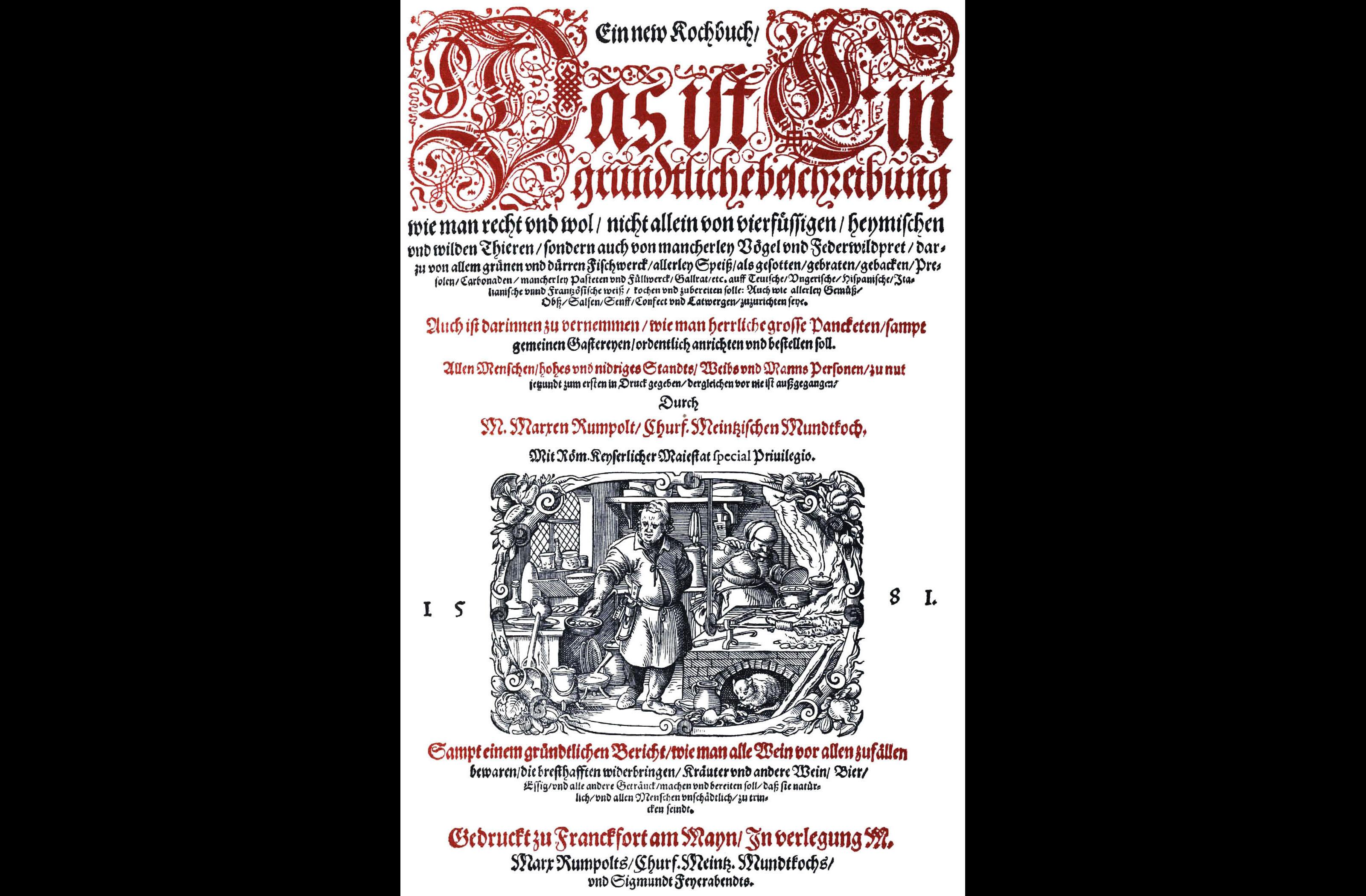
Marx Rumpolt’s ”spanische Krapfen” / Spanish puff pastry and Stockfish with peas, apple, and raisins can be found here:
https://fishandships.dsm.museum/?cat=58
Literary Park Francesco Petrarca e dei Colli Eugane
This text is from ”The cod roads from Røst to the literary parks –roundtrip.” www.parcheletterari.com / www.ladante.it
Many recipes of traditional Italian cuisine are based on ancient dishes cooked in the convents. This is the case, for example, of a few "meager" dishes designed especially for meat withdrawal periods, but equally substantial and tasty thanks to the monks. The recipe for cappuccino cod, spread in Friuli Venezia Giulia and part of Veneto, is just a striking example of this ingenuity: the presence of "sweet" flavors such as raisins and cinnamon, clearly mentions the medieval and the Renaissance. When there was no clear distinction between sweet and salty dishes. The stockfish was chosen for its nutritional properties, similar to those of the meat, and for ease of conservation.
A recipe for use in the Padua convents
Cappuccino sauce, that with anchovy, raisins and pine nuts, was a recipe for use in the Padua convents. For years it ended in oblivion, until the architect Giulio Muratori and a group of gourmet friends decided to bring him back to life in 2011, also establishing a brotherhood to enhance it. The "blood pact" was signed at the ancient Ballotta di Torreglia trattoria and there was the ceremony of "baptism" of the Patavina Confraternita del Baccalà.
500 g of dried stockfish
1 onion
½ glass of extra virgin olive oil
8 anchovy fillets
50g of grapes pass
50 g of pine nuts
Flour
Salt and pepper
Cinnamon
3 teaspoons of sugar
Bread crumbs
Apply the well-soaked cod and cut into pieces that you will pass to the salted flour. Sprinkle a large chopped onion with half a glass of olive oil and anchovy fillets. Then brown on each side in the blond sausage the sausage cut into pieces in the salted flour. Add the pine nuts, a pinch of pepper and a cinnamon. Let it simmer until the liquid has been nearly absorbed by placing salt and pepper. At ¾ of cooking the grapes go. Then sprinkle the fine breadcrumbs and three teaspoons of sugar, which will spill with the cooking bottom and go into the oven for a final gratin. Give it to the table warmly.
Original text: From Elisabeth Johansen, Anne Cecilie Pedersen, Einar Stamnes (2018)
Tørrfisk – kystkultur, kokekunst, Querini. Stamsund: Orkana forlag.
Reference work:
Holm-Olsen, Ludvig (Oversetter). (1994) Grettes Saga. I Norrøn Saga. Bind 5. Oslo: Aschehoug
Nielssen, Alf Ragnar. (red.) (2014) “Fangstmenn, fiskerbønder og værfolk” i Norges fiskeri og kysthistorie. Bind 1. Bergen: Fagbokforlaget
Sawyer, Birgit og Peter. (1993) Medieval Scandinavia. Minneapolis: University of Minnesota Press
Translation to English: Alasdair Graham-Brown
Illustrations:
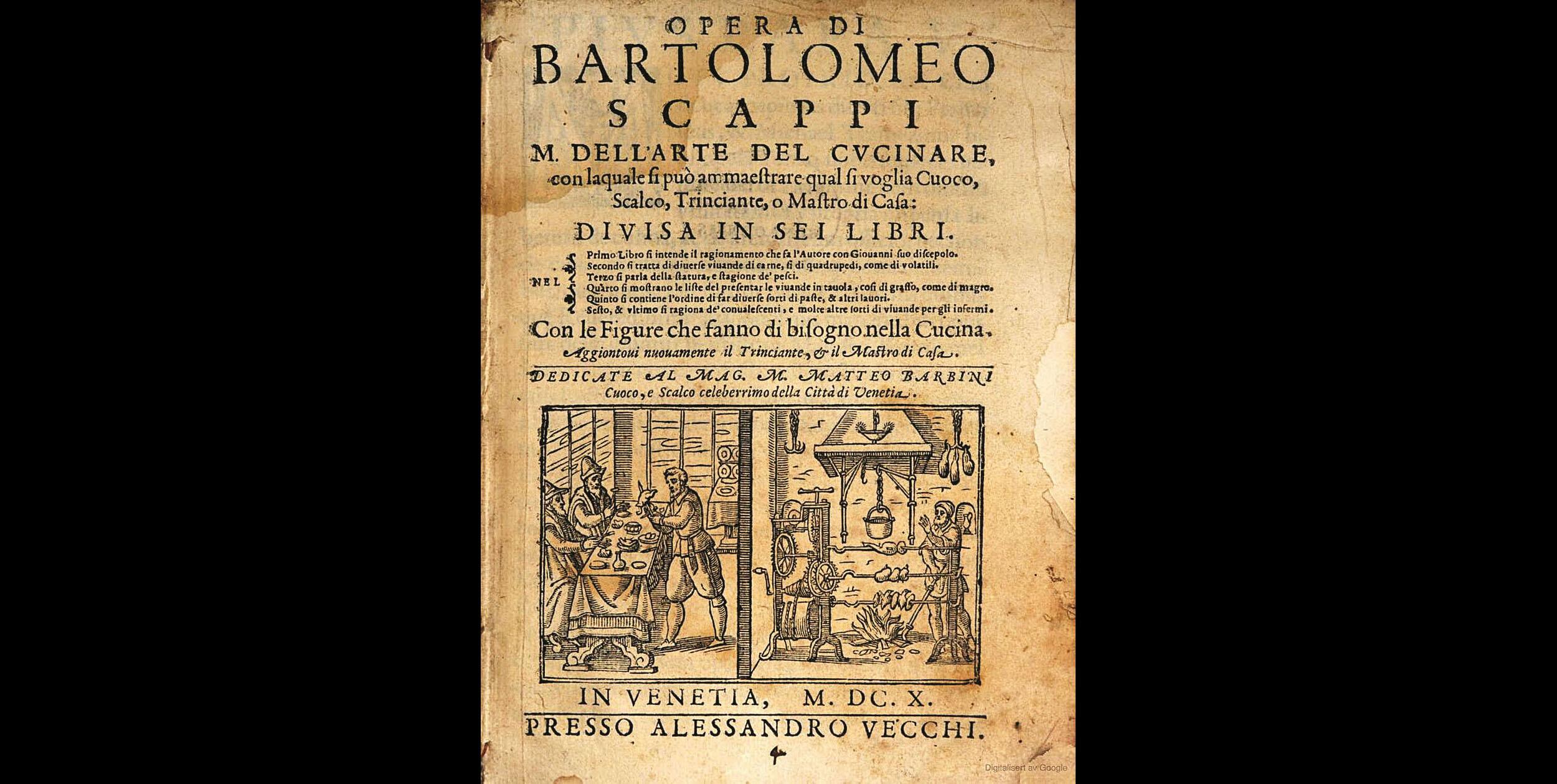
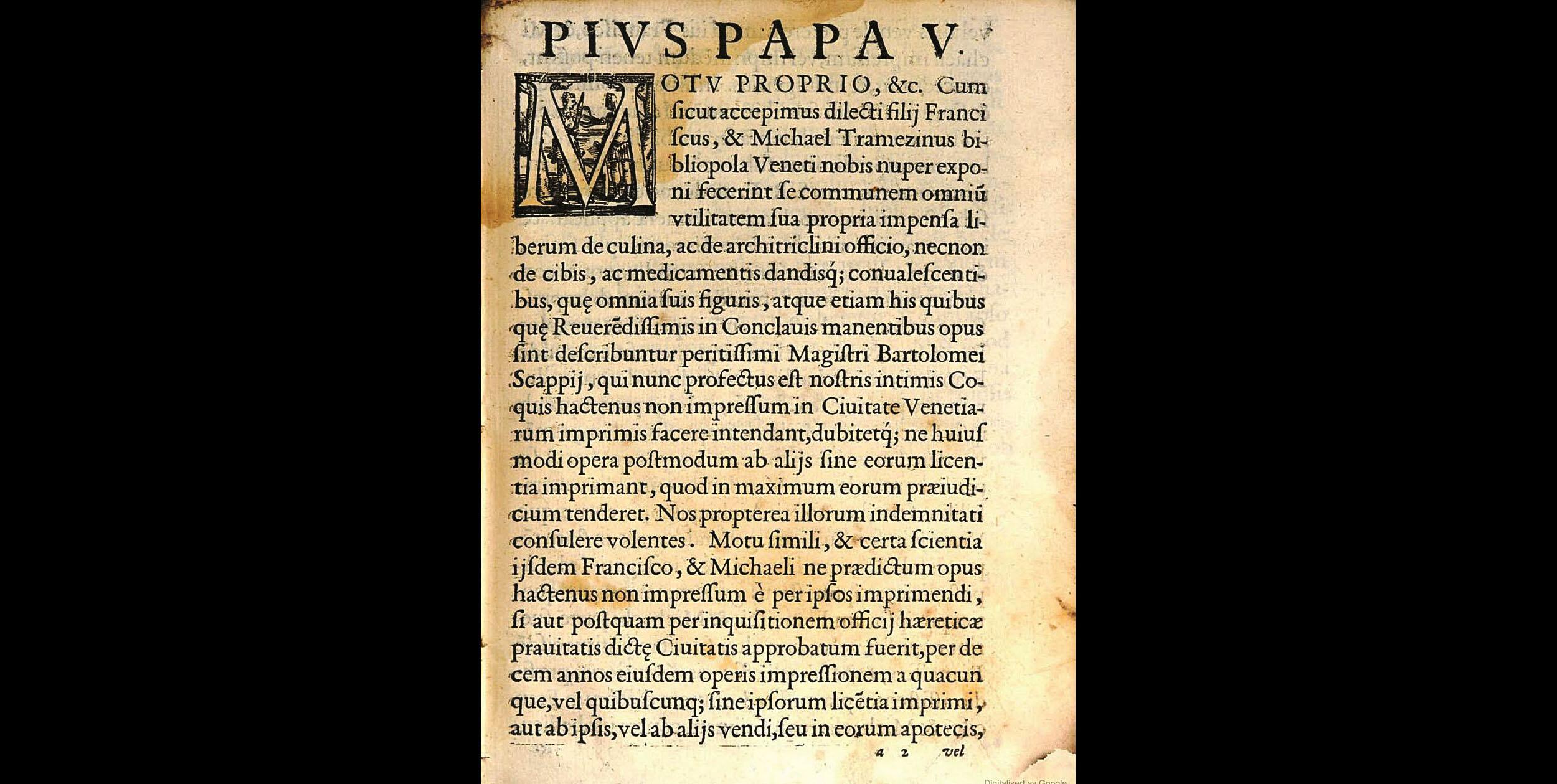
Pages from Bartolomeo Scappi’s cookbook, from Bartolomeo Scappi. www.wikipedia.org
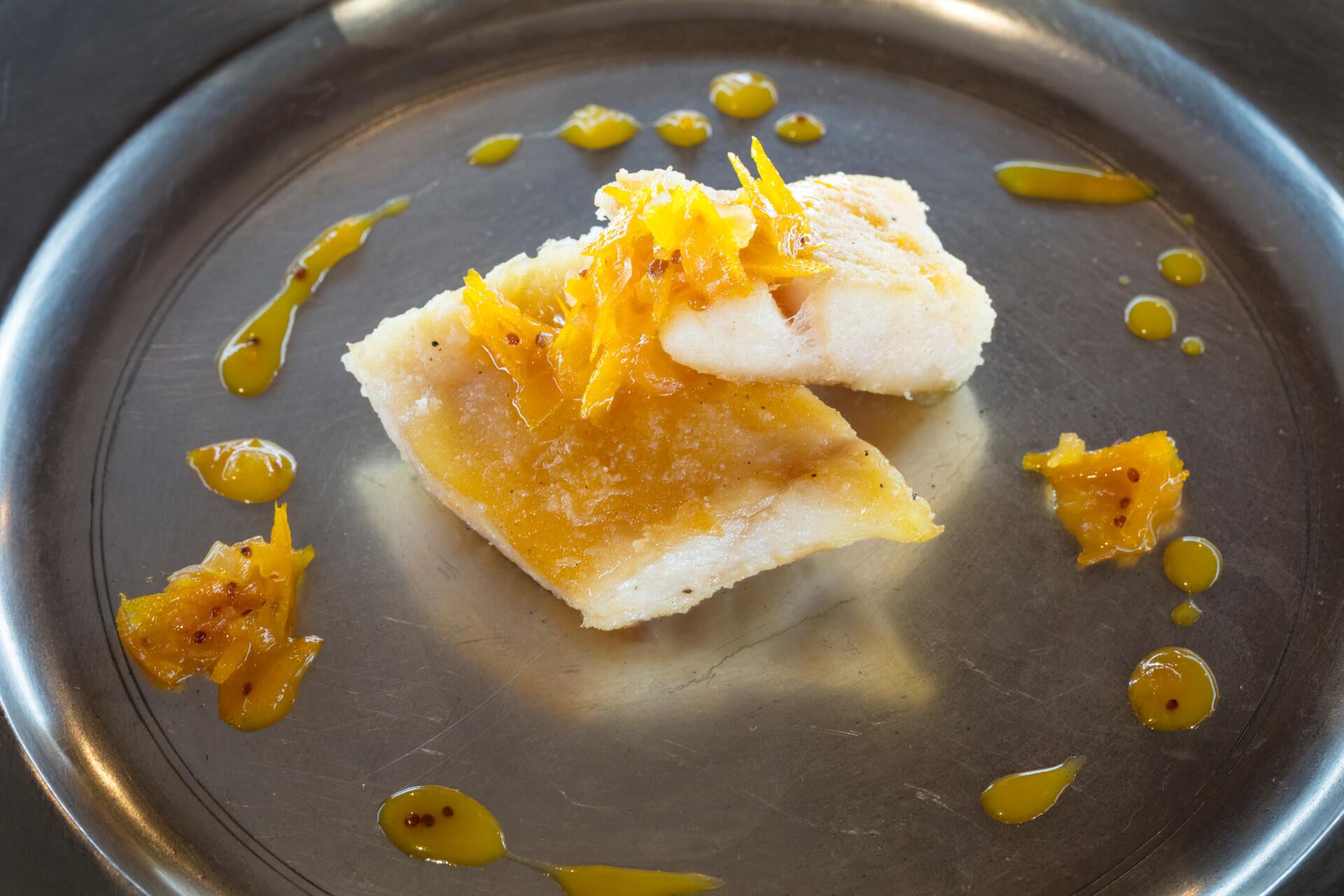
Stockfish dish, foto: Kjell Ove Storvik
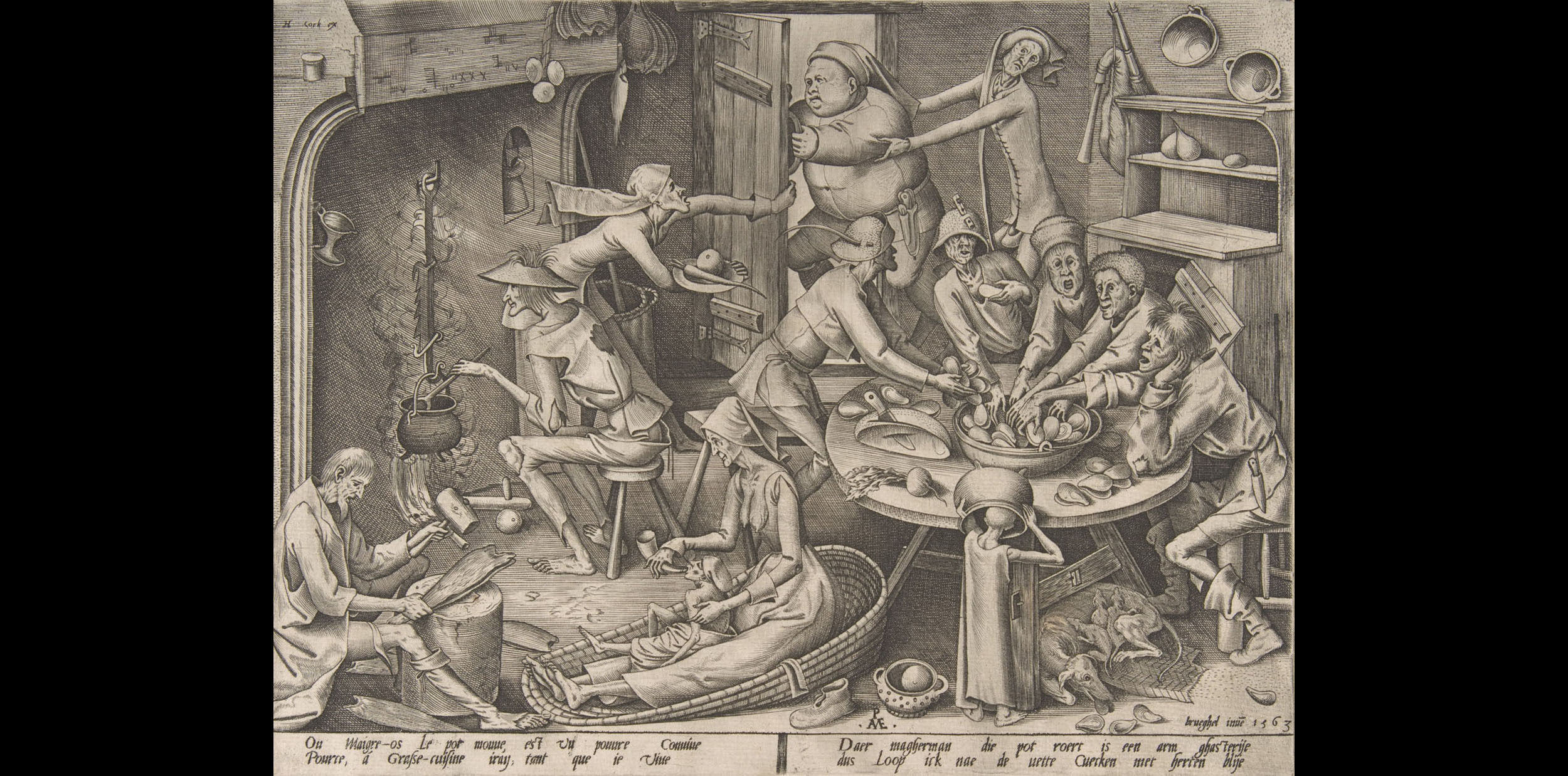
Pieter Bruegel / Pieter van der Heyden: The Elder’s Thin Kitchen (1596). A man hammering stockfish. www.metmuseum.no
Pages from Max Rumpolt: Ein new Kochbook, from Ein new Kochbook, www.wikipedia.org