
















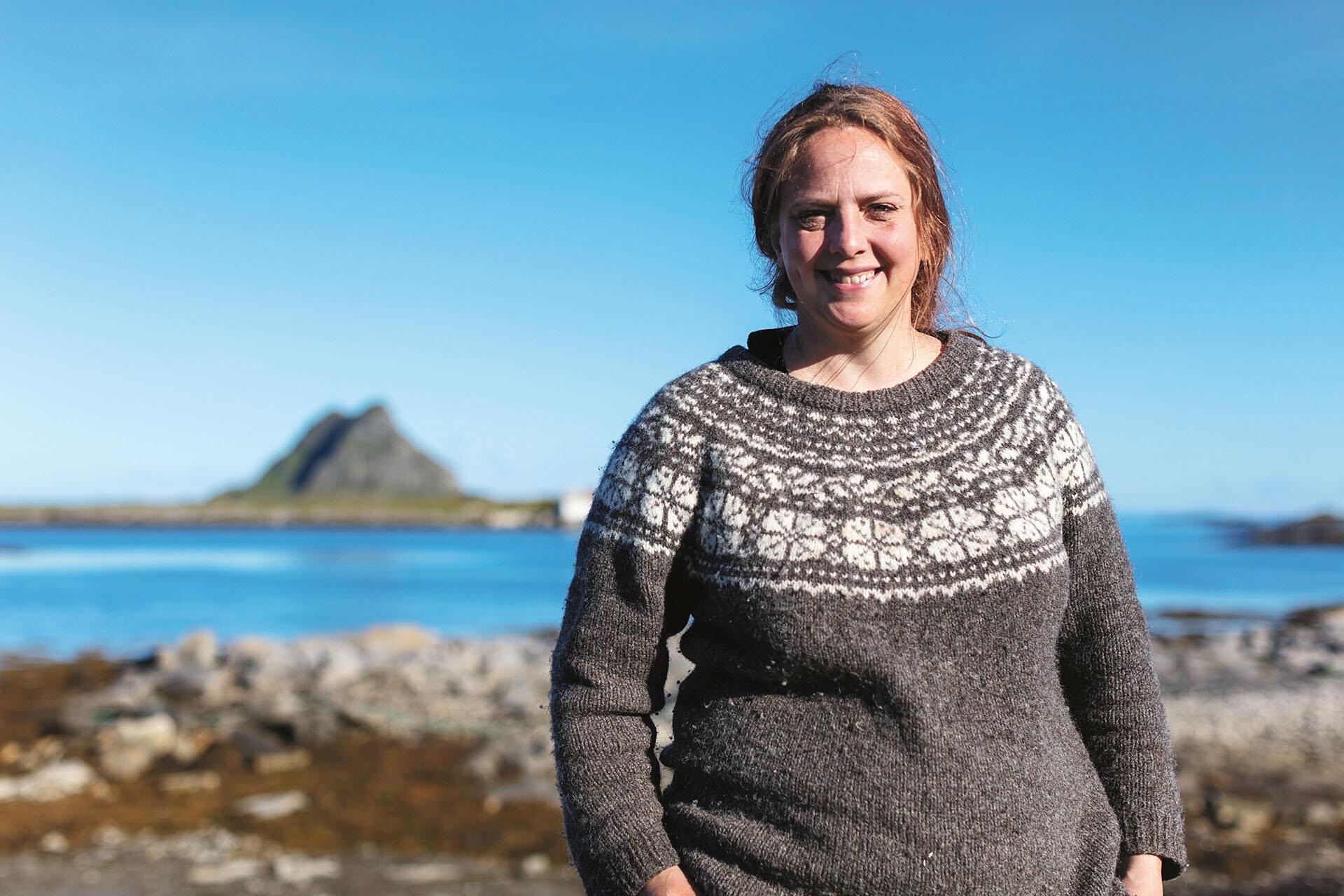
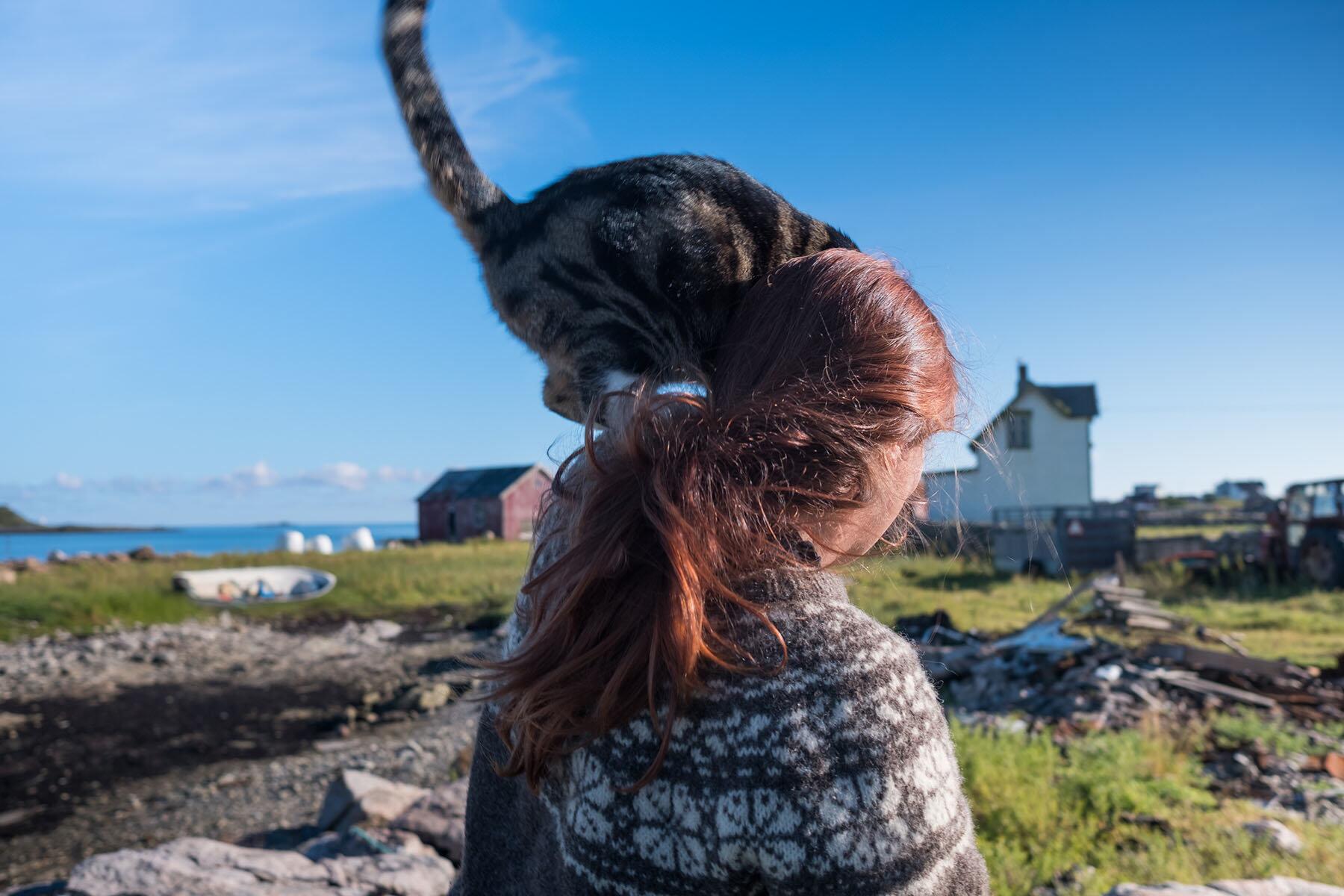
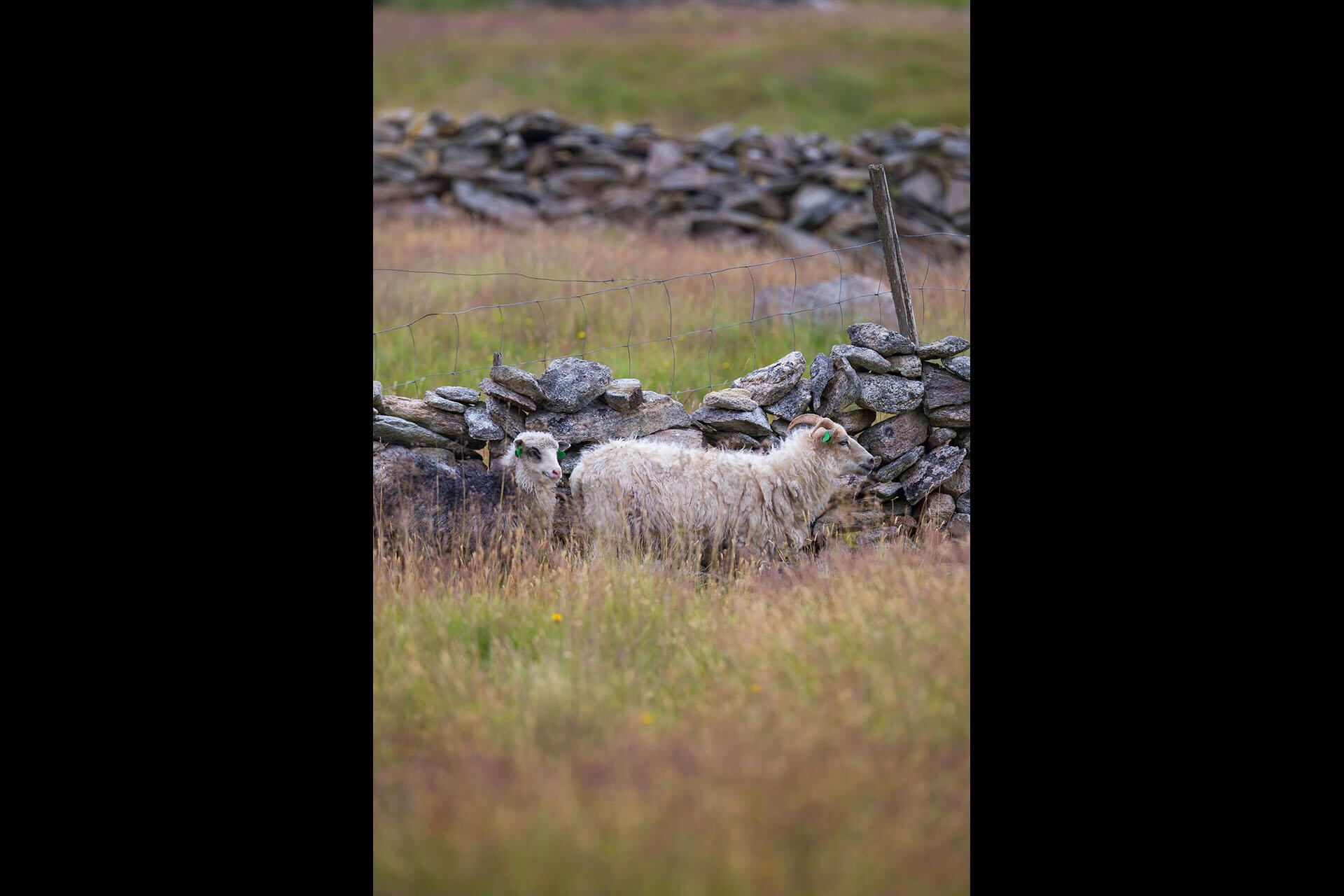

Kari-Anne Nilsen has been a sheep farmer for five years. She owns a fishing boat, has 300 sheep, dries Fenalår (a cured lamb) in the boathouse, sells sheepskin rugs from her own animals, supplies wool for knitting and enjoys life as farmer. Lamb from Røst is the best!
All-year-round outdoor grazing
"I want my sheep to graze outdoors all-year-round as this gives them the best wellbeing. I graze my sheep out on the islands and we transport them from islet to islet so that they always have fresh grass".
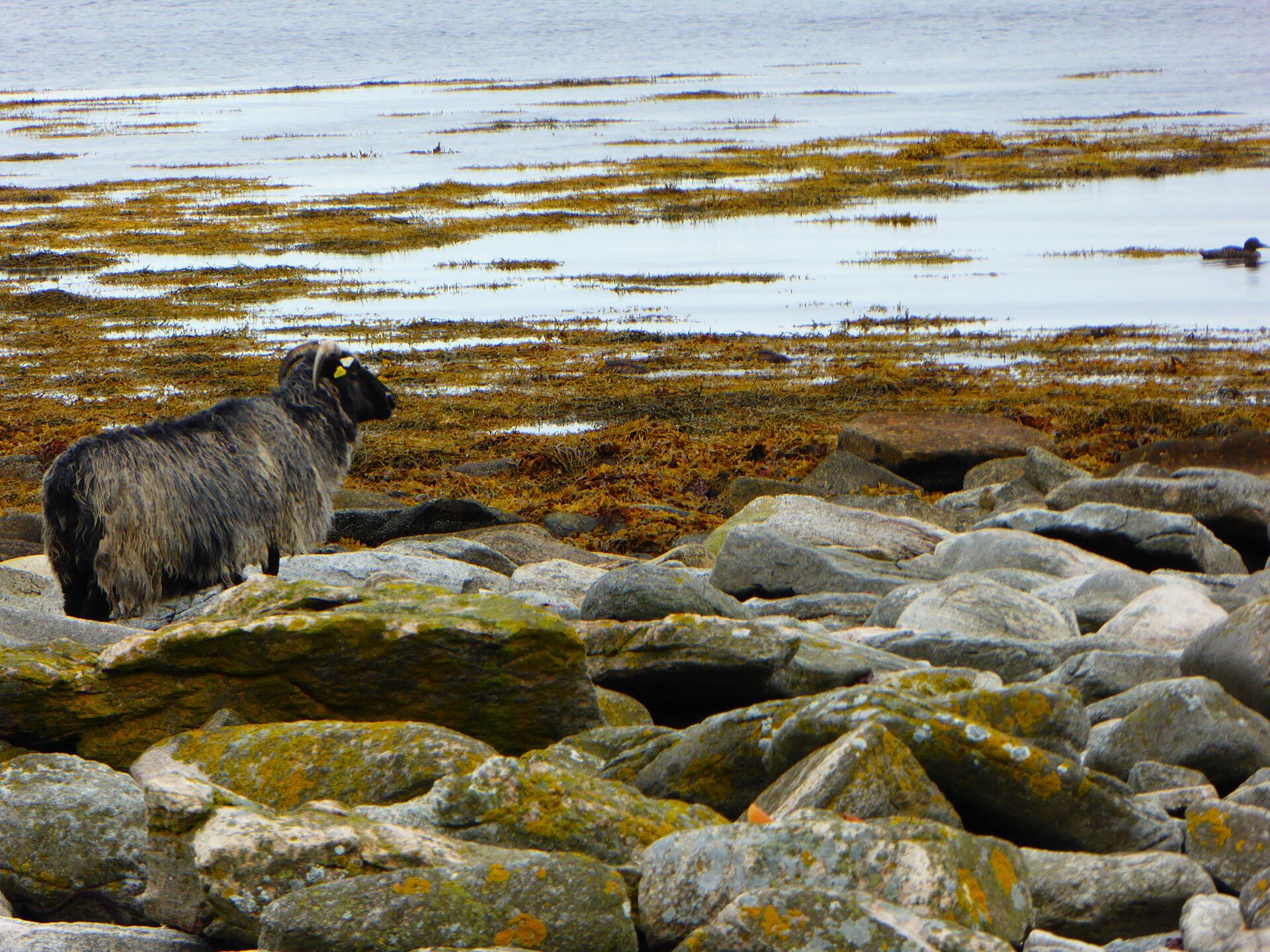
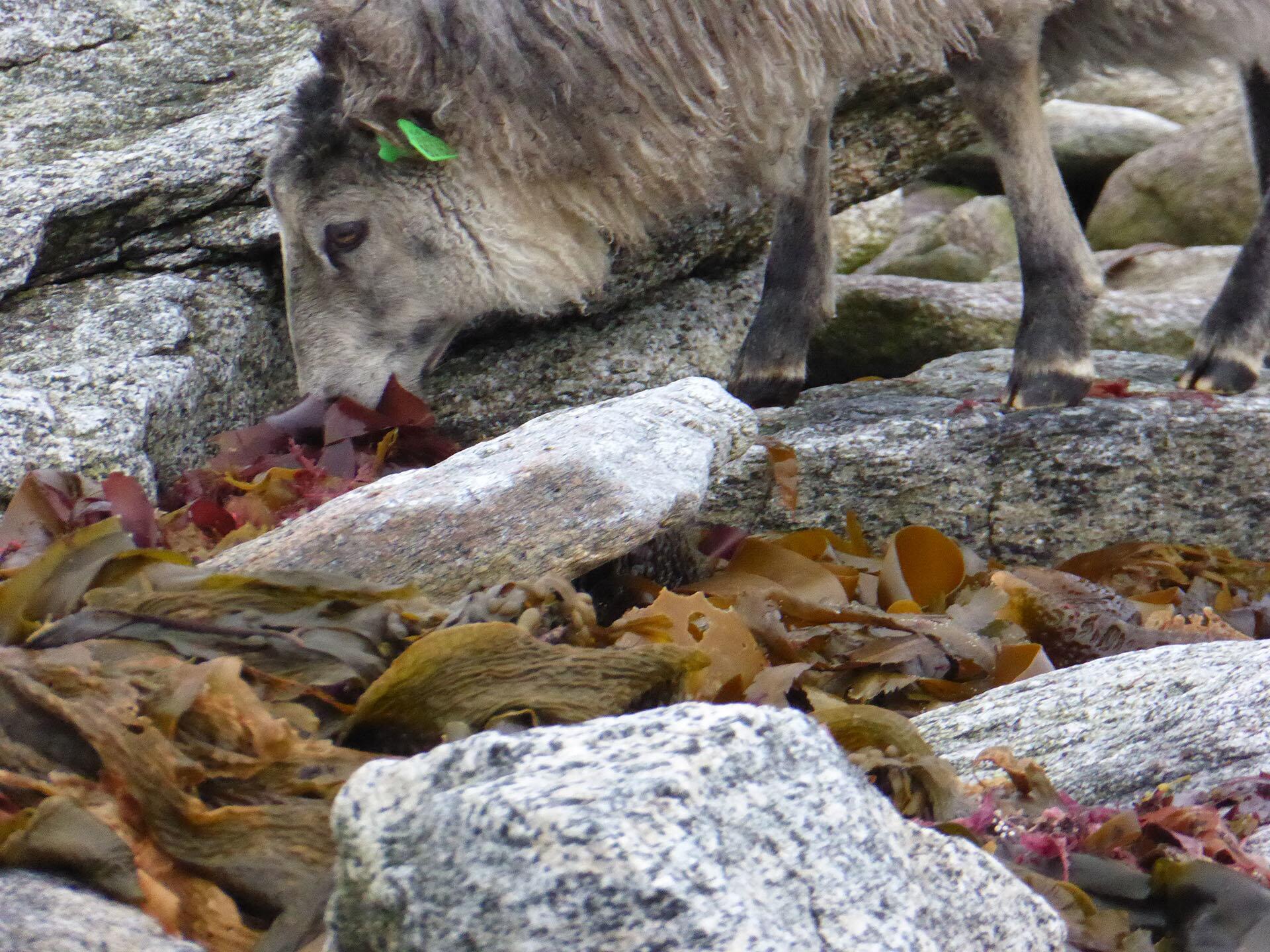
Seaweed is good food
The islands that make up Røst are quite small. The sheep therefore graze where the land meets the sea, including the shore area. So they have access to seaweed which they can eat if they want. "They prefer seaweed to ordinary food", says Kari-Anne Nilsen. "The salt and the grazing on the islands gives a lot of fat in the meat and the animals grow well. Being a little fat and in good condition when they lamb means that the lambs are good". People are queuing up when the butcher's van arrives with lamb from Røst!
Special, super high quality wool
Wool from sheep which graze outdoors has a completely different quality than other wool, she says, wearing a sweater made of wool from her own sheep. "Wool from sheep that graze outdoors all-year-round has a denser structure than wool from sheep kept indoors" she enthusiastically tells us. Wool from her sheep provides the basis for another business, Lofotenwool, on Vestvågøy.
https://www.instagram.com/rostlam.no/
https://www.lofoten-wool.no/
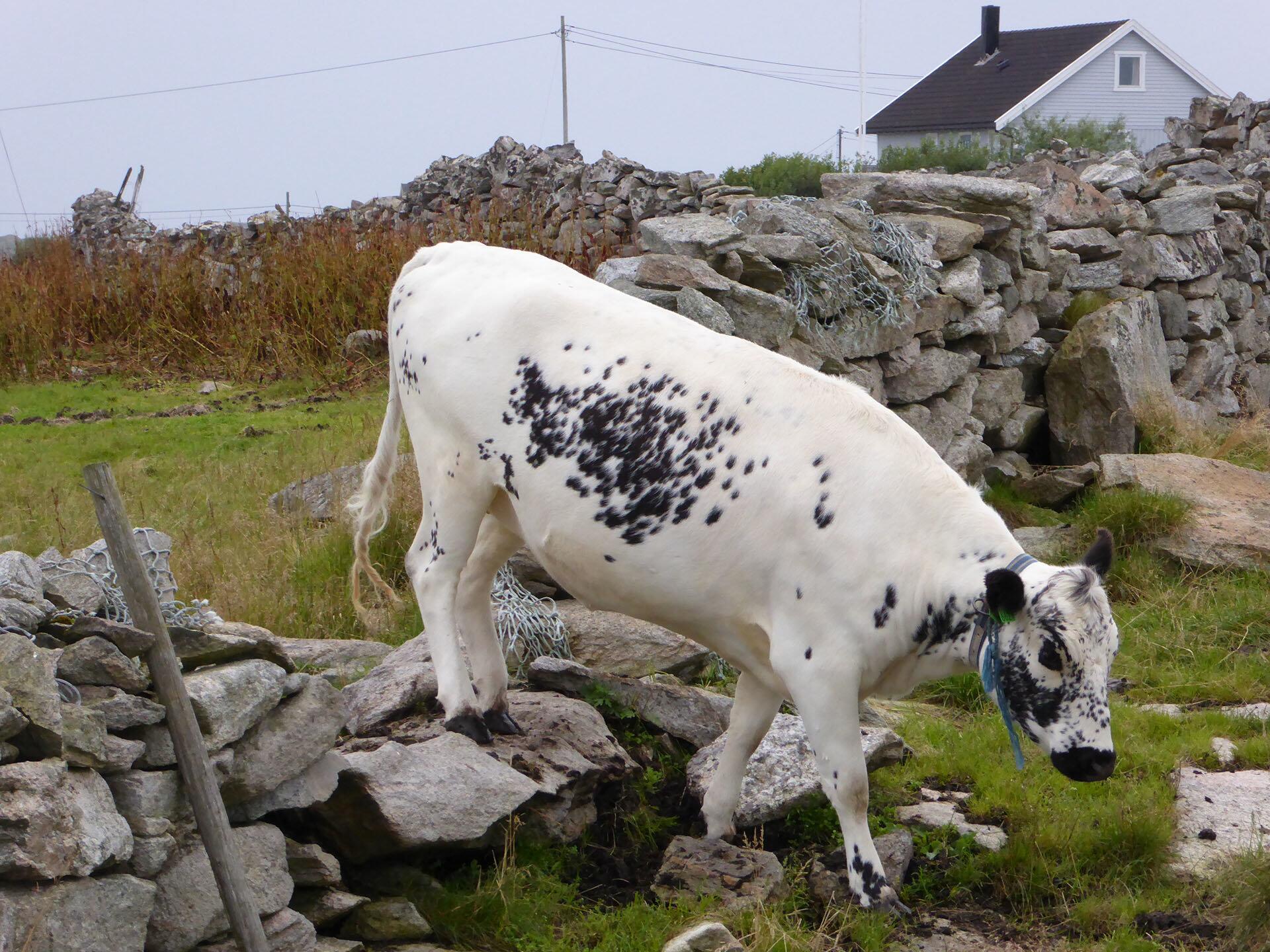
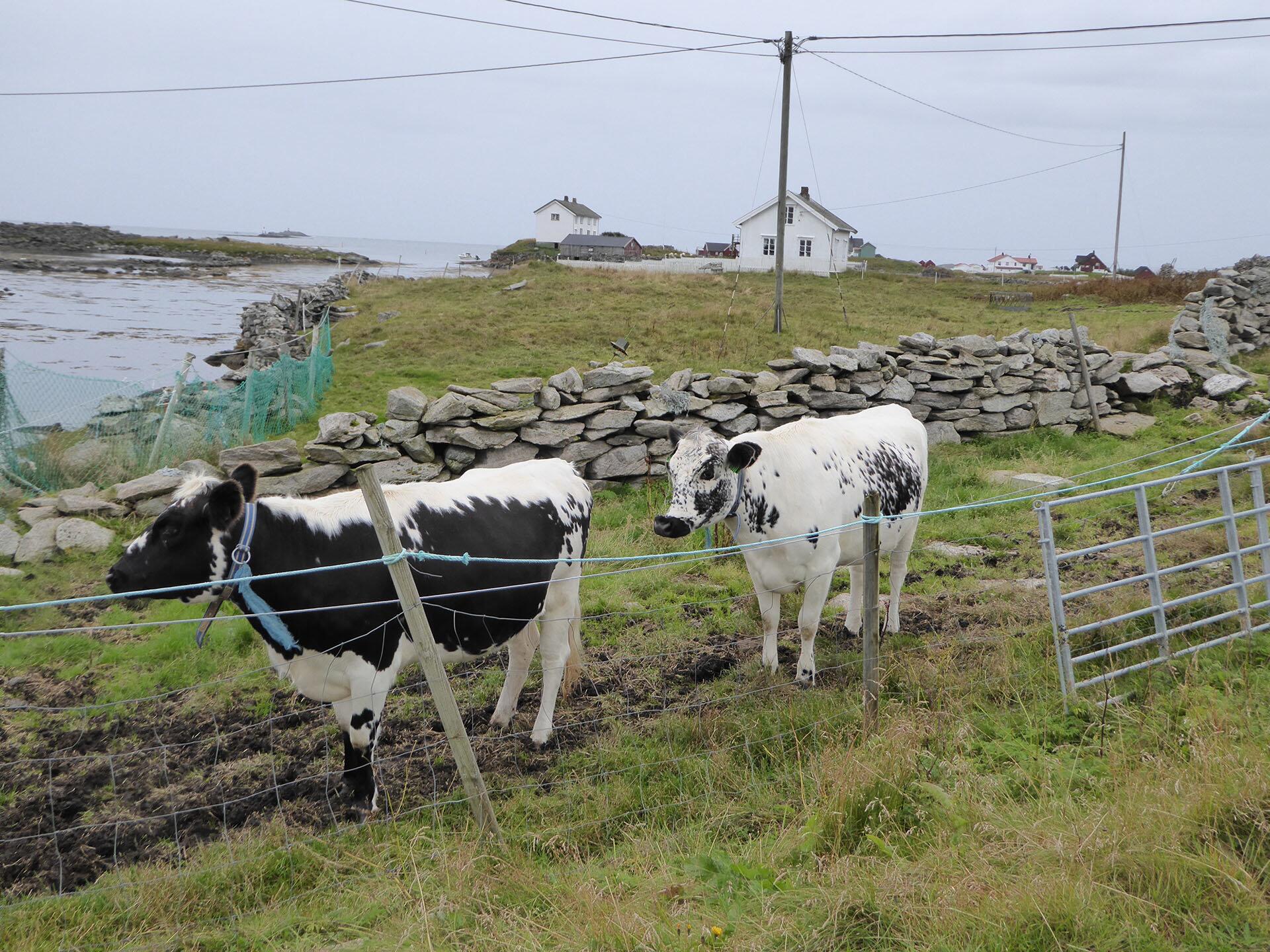
In the last year, Kari Anne Nilsen has also acquired cows.
Translation to English: Alasdair Graham-Brown
Photography: 1–4 Elisabeth Johansen, 5–7 Kjell Ove Storvik