




















The stockfish producers from the north gradually developed close ties with citizens and merchants in Bergen who gradually took over the Hanse’s dominant position. The Hanseatic towns and the Dutch had for a long period of time been the most important market places for Norwegian stockfish to Western Europe and for trading goods from the south. Amsterdam was, after the 1600s, Europe‘s most important maritime town and stockfish metropolis. Stockfish in Italy has often been known as Bremer and Dutch stockfish, which stems from the markets the Italians obtained their stockfish from.
Stockfish export tripled
A new fishing boom period began in the 1740s. Stockfish export tripled in the period out to the end of the century. Low prices in Netherlands led to the start of exports to Italy, 27 per cent of the total stockfish export in 1795 being to Italy and 12 per cent to France. Around 1800, about half of total exports were to Mediterranean countries and only a quarter to the Netherlands.
The Bergen merchants lost the monopoly
Around 1800 ‘jektefart’ to Bergen was still of key importance. However, the Bergen merchants lost the monopoly they had in practice held in fish trading with Nordland in the course of the 1800s. Trondheim again became an important stockfish port.
A new trading system took over. A growing class of local fishing settlement owners hired out fishermen’s cabins and racks to visiting fishermen and local merchants with trading posts at strategic points along the coast.
Large, specialised ‘jekt’ boats
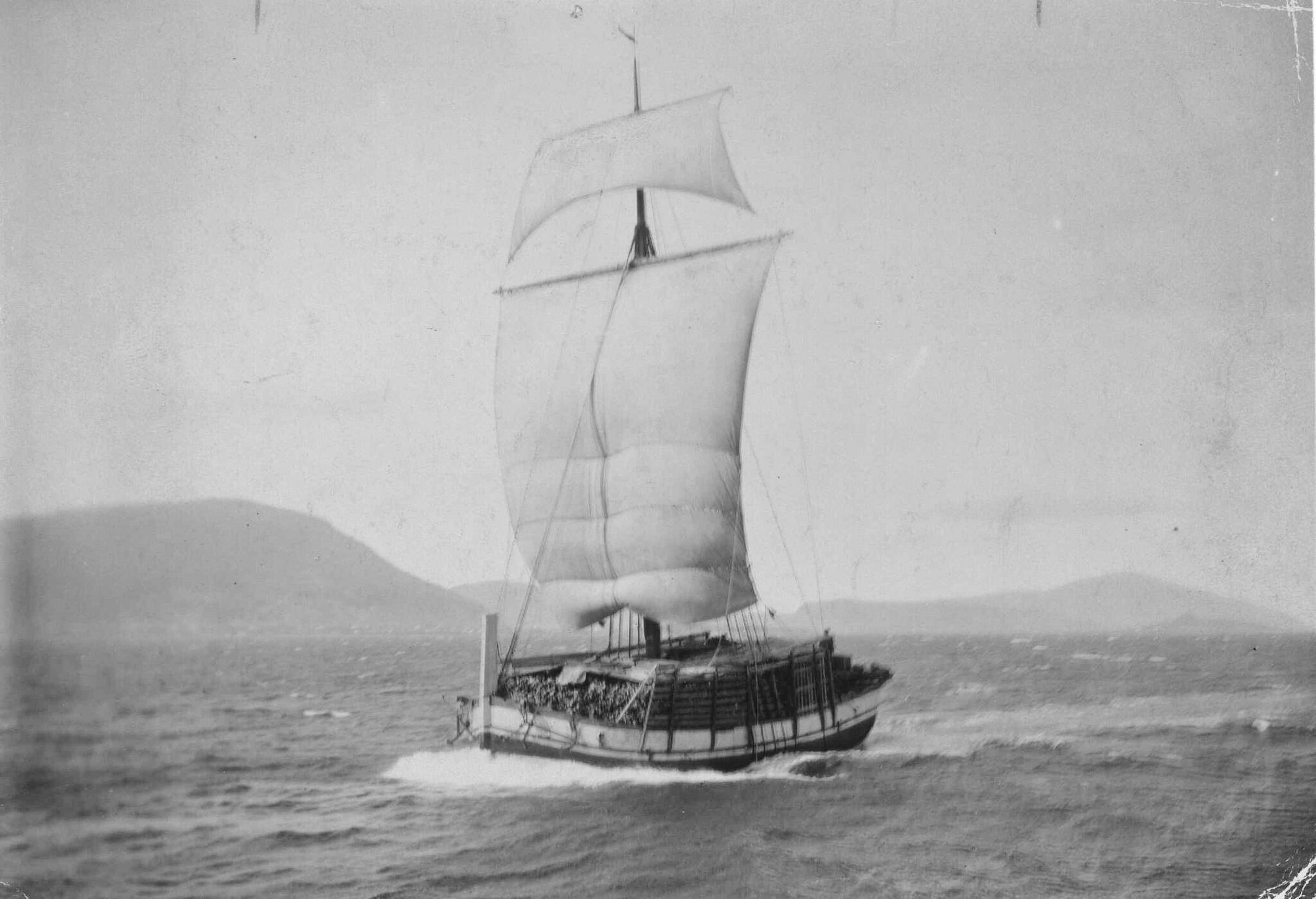
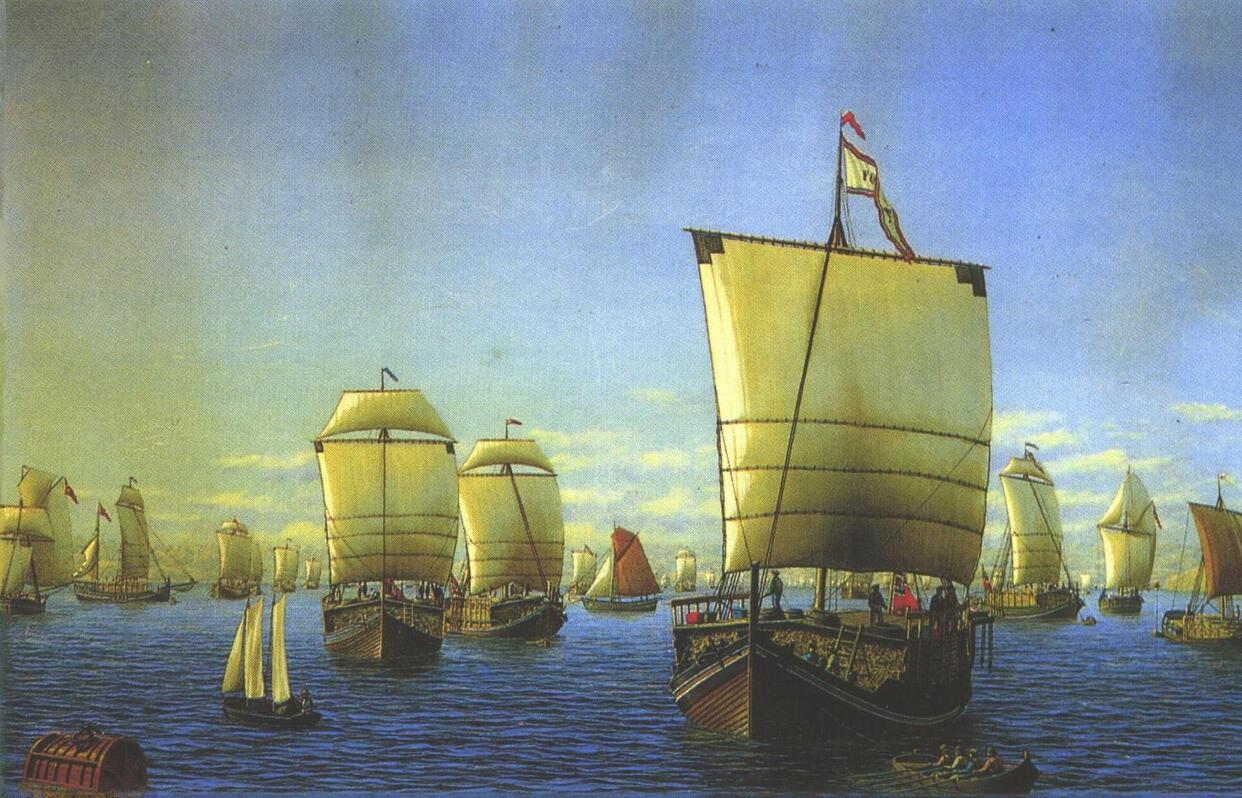
‘Jektefart’ took place for a long period of time on large, specialised ‘jekt’ boats with square sails. Lofoten fishing for spawning cod for a long period of time used traditional open boats with roots further back in time. The ‘jekt’ boats and nordland boats were gradually replaced in the 1900s, ‘jekt’ boats with cutters and yawls and nordland boats with smacks.
30 000 fishermen came every year
Lofoten fishing was throughout this time the largest fishing in the north. Until 1910 and with few exceptions, more than 20 000 fishermen came every year to Lofoten. This number was 30 000 in the boom period between 1880 and 1900. The poor state of the rest of the economy also meant more took part in the fishing. The number was around 20 000 from 1930 to 1940 and at the beginning of the 1950s, but fell steeply from 1954 and has continued to fall.
Not easy to predict
The migration of the Atlantic cod is not easy to predict and the area where most of the fish comes has varied. If the fish was further in along Lofoten, then there was often little on Røst. If the fish were around Røst, then catches were large on Røst and poorer further in along Lofoten.
Amund Helland tells about this in Norges Land og Folk around 1908:
Large and previously rich fishing villages such as Henningsvær diminish and fisherman’s cabins are dismantled and are moved when so few spawning cod year come and the fishermen prefer Røst
Memories from the start of the 1900s
There are still quay facilities on Røst from the hectic time around the start of the 1900s when fishing around Røst really was strong. The row of quay buildings on Kårøya is a good example.
Røst is one of the bastions of coastal fishing in Norway. Boats in the harbour are tightly packed in the fishing season. It was however, in the heydays, really busy on little Røst. There were 2,100 fishermen in 1904 on Røst during the Atlantic cod fishing season.
Original text: from Elisabeth Johansen, Anne Cecilie Pedersen, Einar Stamnes Tørrfisk – kystkultur, kokekunst, Querini Orkana 2018
Reference work:
Helland, Amund. (1908) Norges land og folk : topografisk-statistisk beskrevet : topografisk-statistisk beskrivelse over. 18 D. 4 : Nordlands amt Salten og Lofoten og Vesteraalen Fogderi. Kristiania: Aschehoug
Tande, Thorvald sr. og Thorvald Tande jr. (1986) Norsk tørrfisknærings historie. Norges tørrfiskeksportørers forening
Translation to English: Alasdair Graham-Brown
Illustrations:
”Jekt” with stockfish cargo, photo: Th. Iversen, Norsk folkemuseum / Public Domain
Paiting by Frederik Sørvig, 1866, “jekter”, Bergen Harbour,
http://prosjektbryggen.no/bryggenleksikon/jekt/
Røst around 1900, foto: Nordlandsmuseet